When the Waters Rose, U.M. Army Answered the Call in Boerne
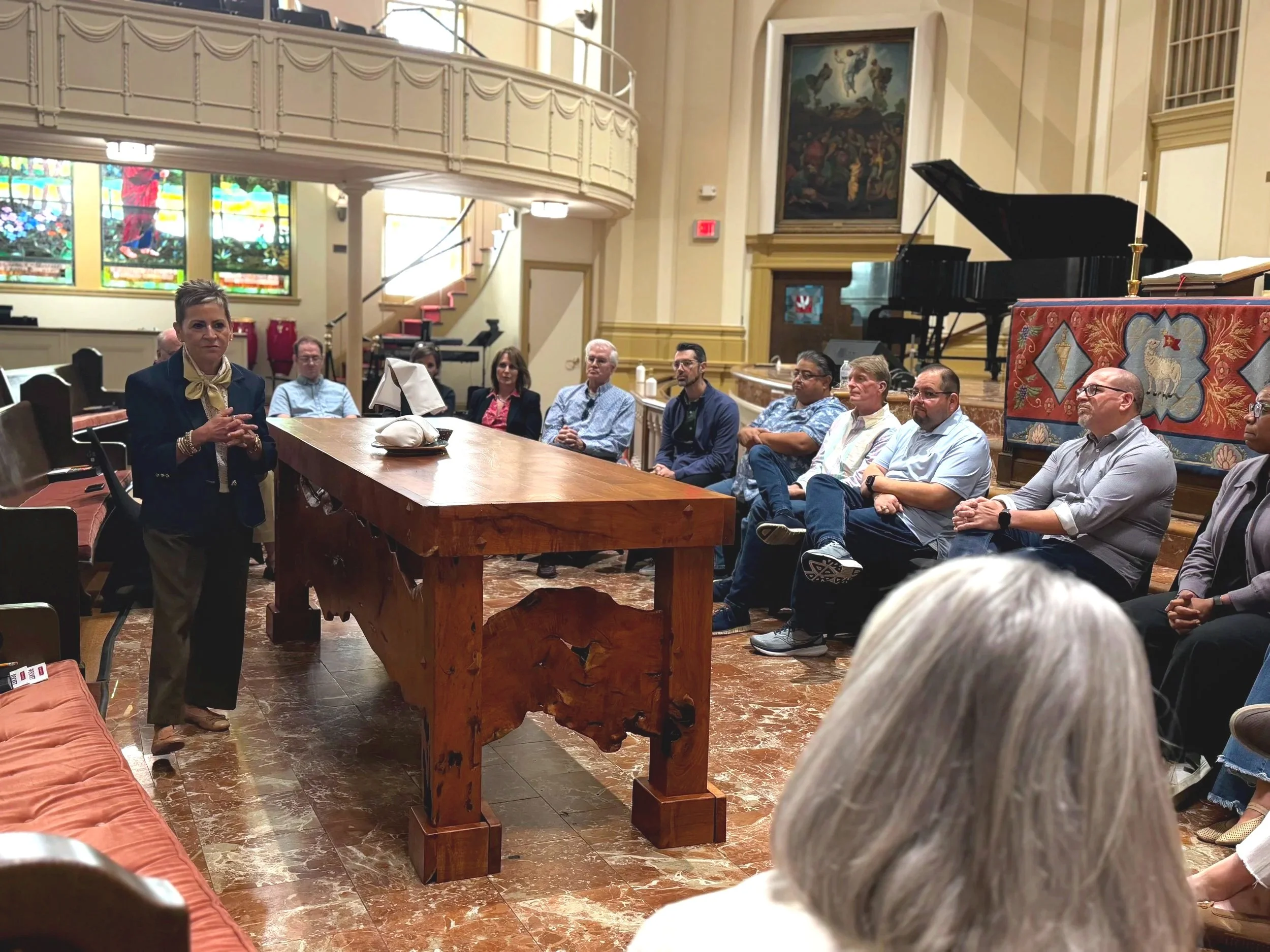
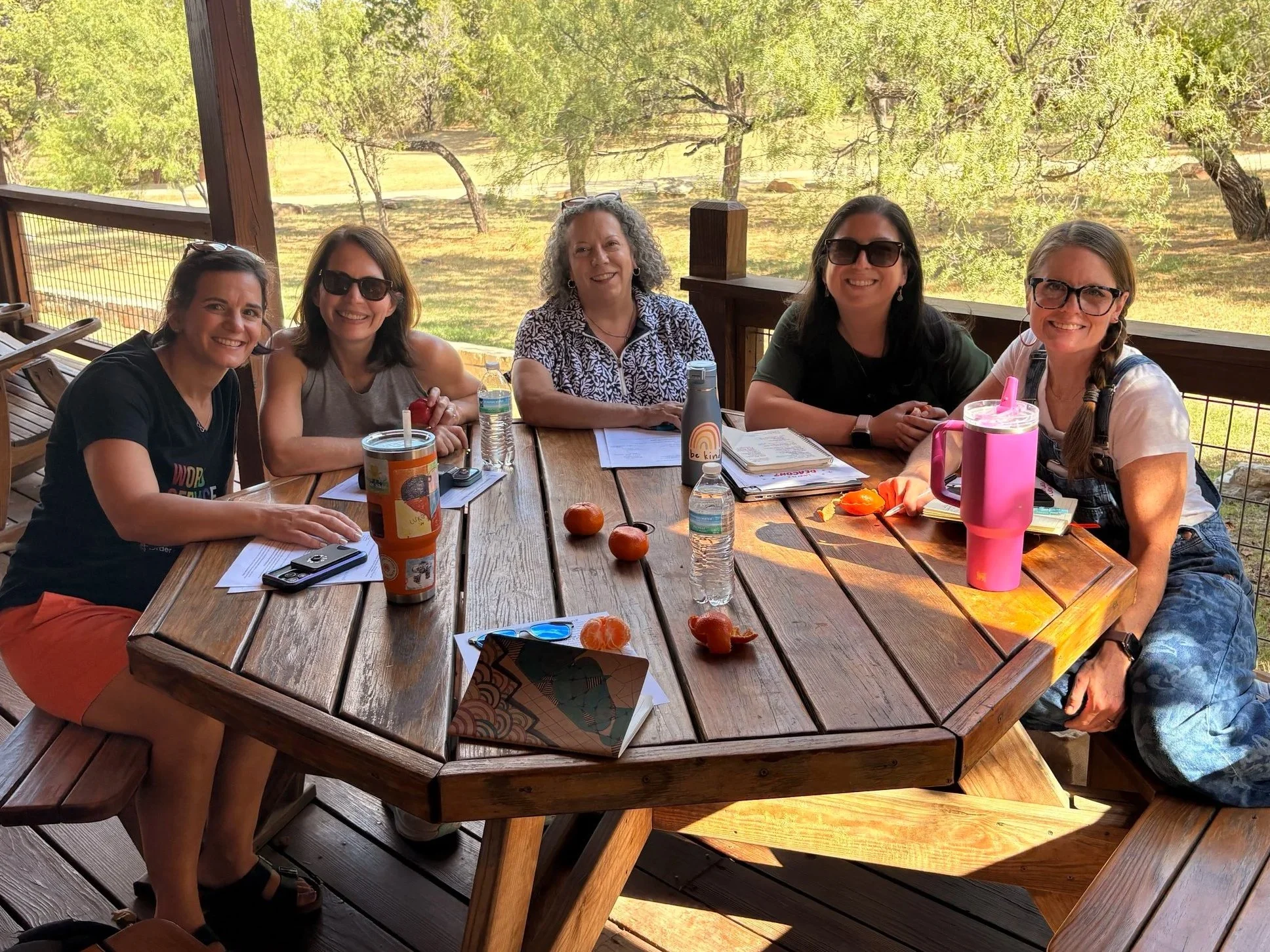
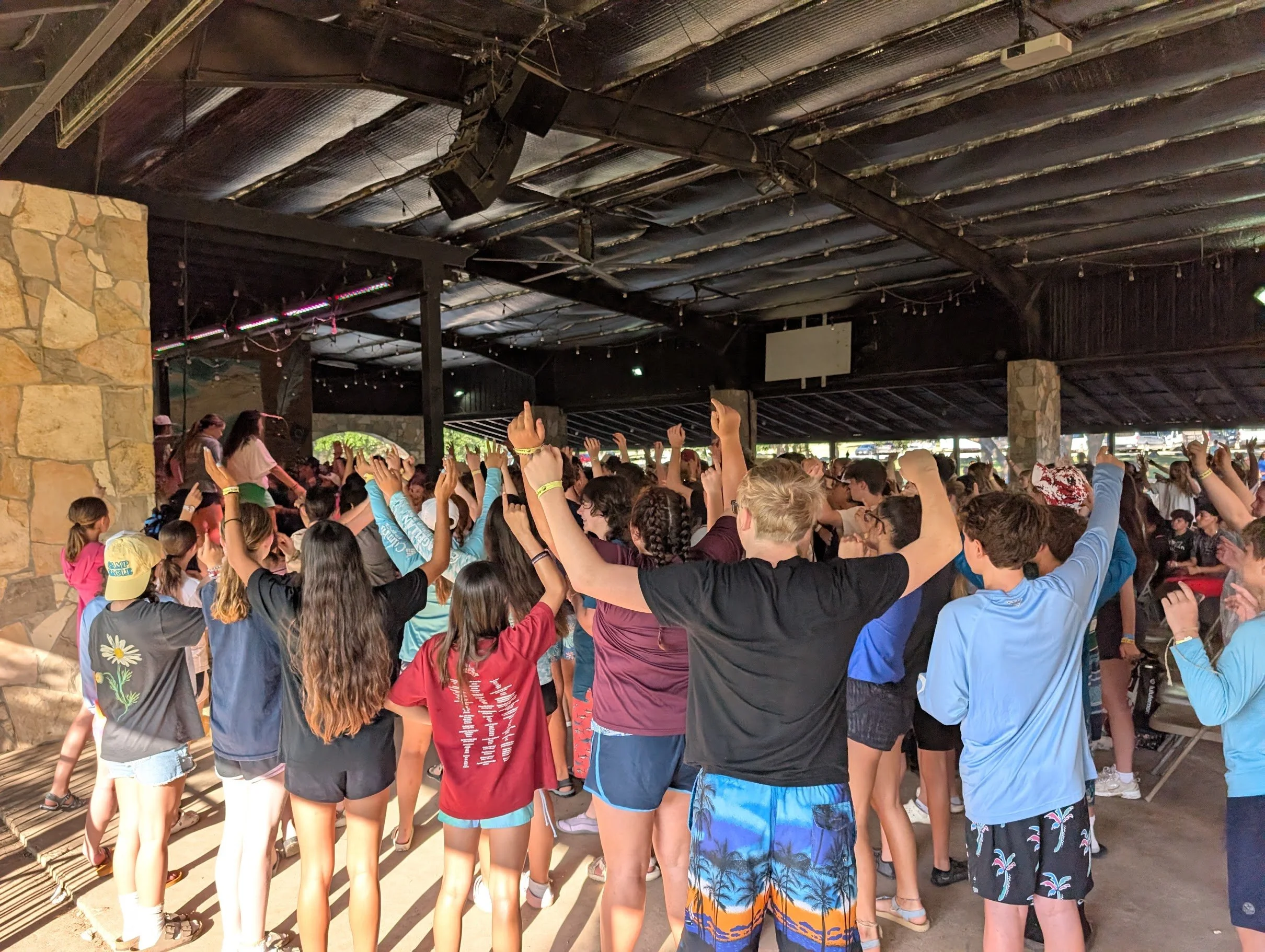
/A team of approximately 60 U.M. Army youth and adult volunteers was serving at First United Methodist Church in Boerne when flooding forced them to set aside their planned mission work and respond to a much more immediate need.
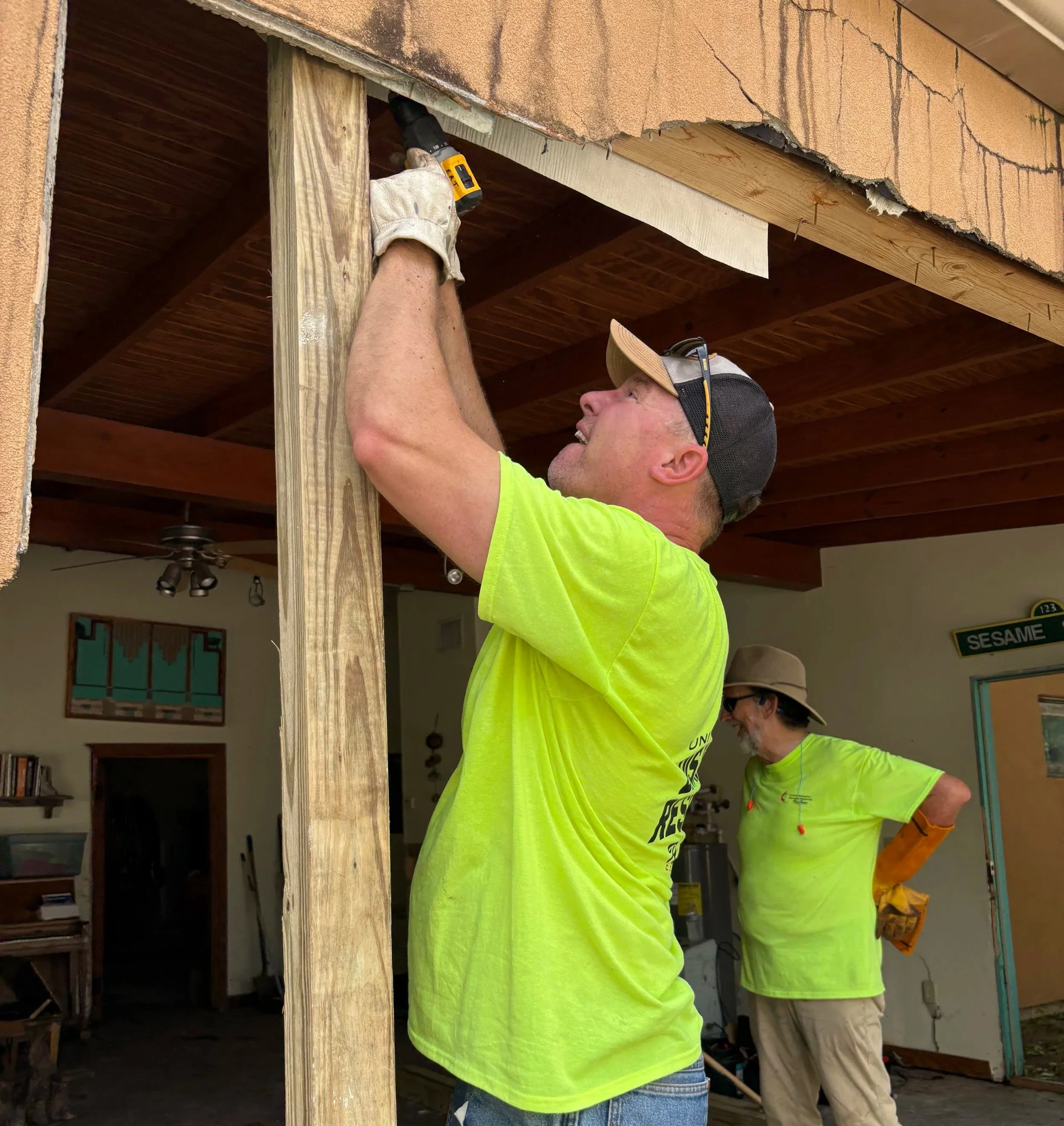
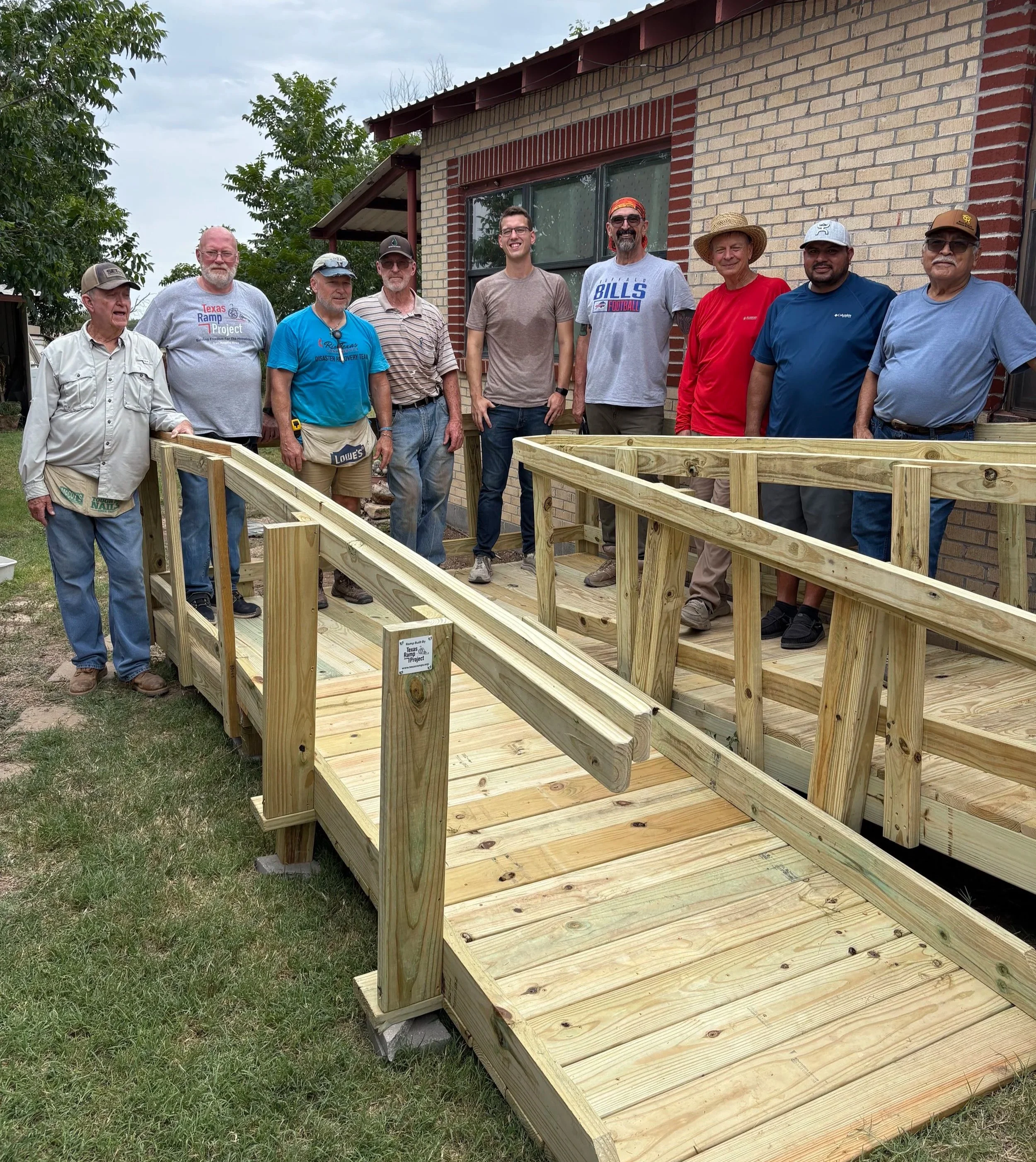
The team had projects lined up throughout the community, including cleaning yards, building porches and wheelchair ramps, and working with local nonprofit Hill Country Daily Bread.
But by Wednesday morning, those plans were beginning to change.
The day was expected to be wet, but Pastor Rachel did not anticipate the severity of what was coming. After a tornado struck the RIM area and heavy rain moved through the region, U.M. Army delayed its morning start.
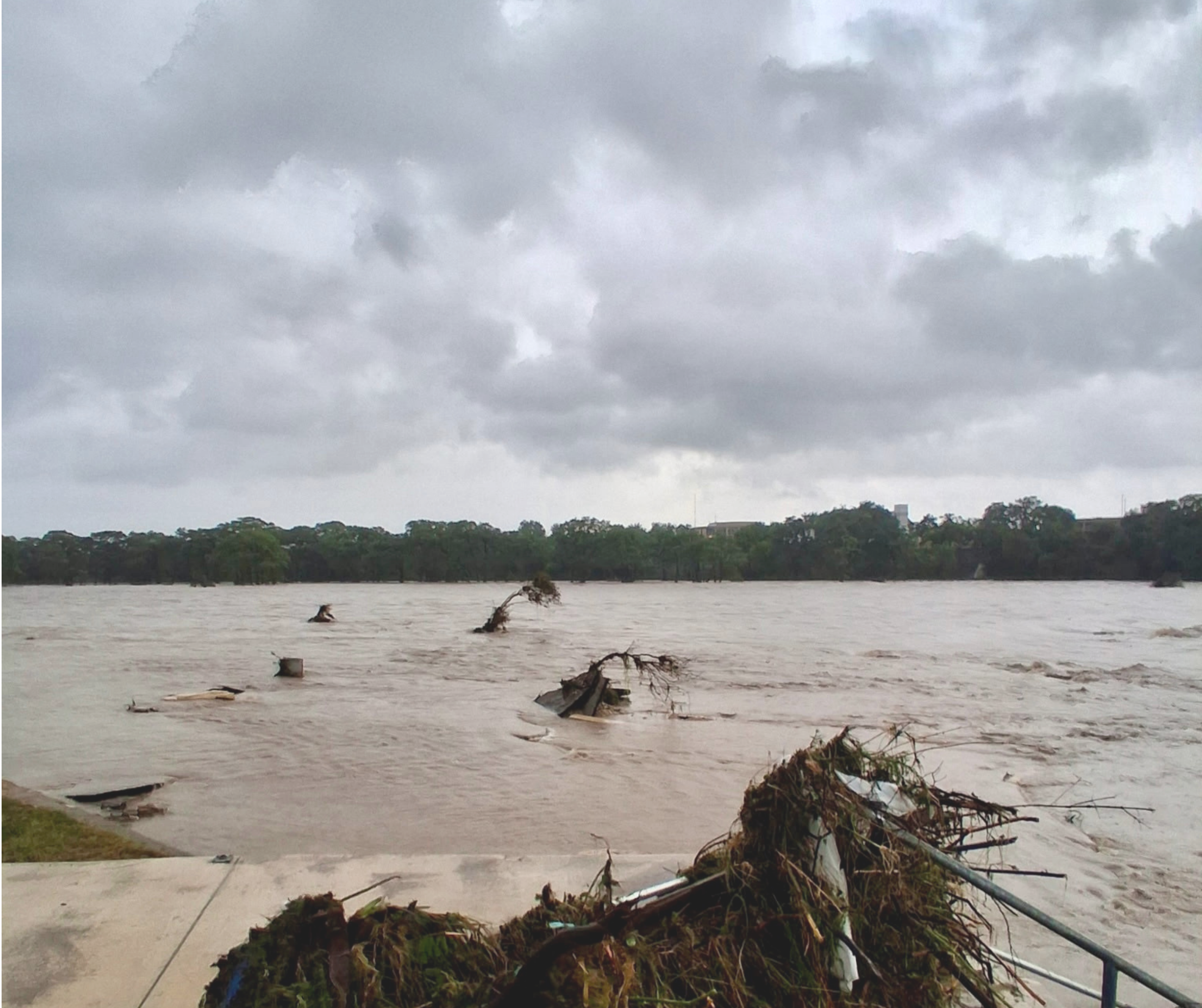
Then, around 10 a.m., First UMC Boerne received notice from the city that nearby roads were closing and homes were being evacuated because of flooding.
“That was the moment we realized that it was going to be much worse than we expected, and that we needed to shift plans and start figuring out our response to the flood,” Rachel said.
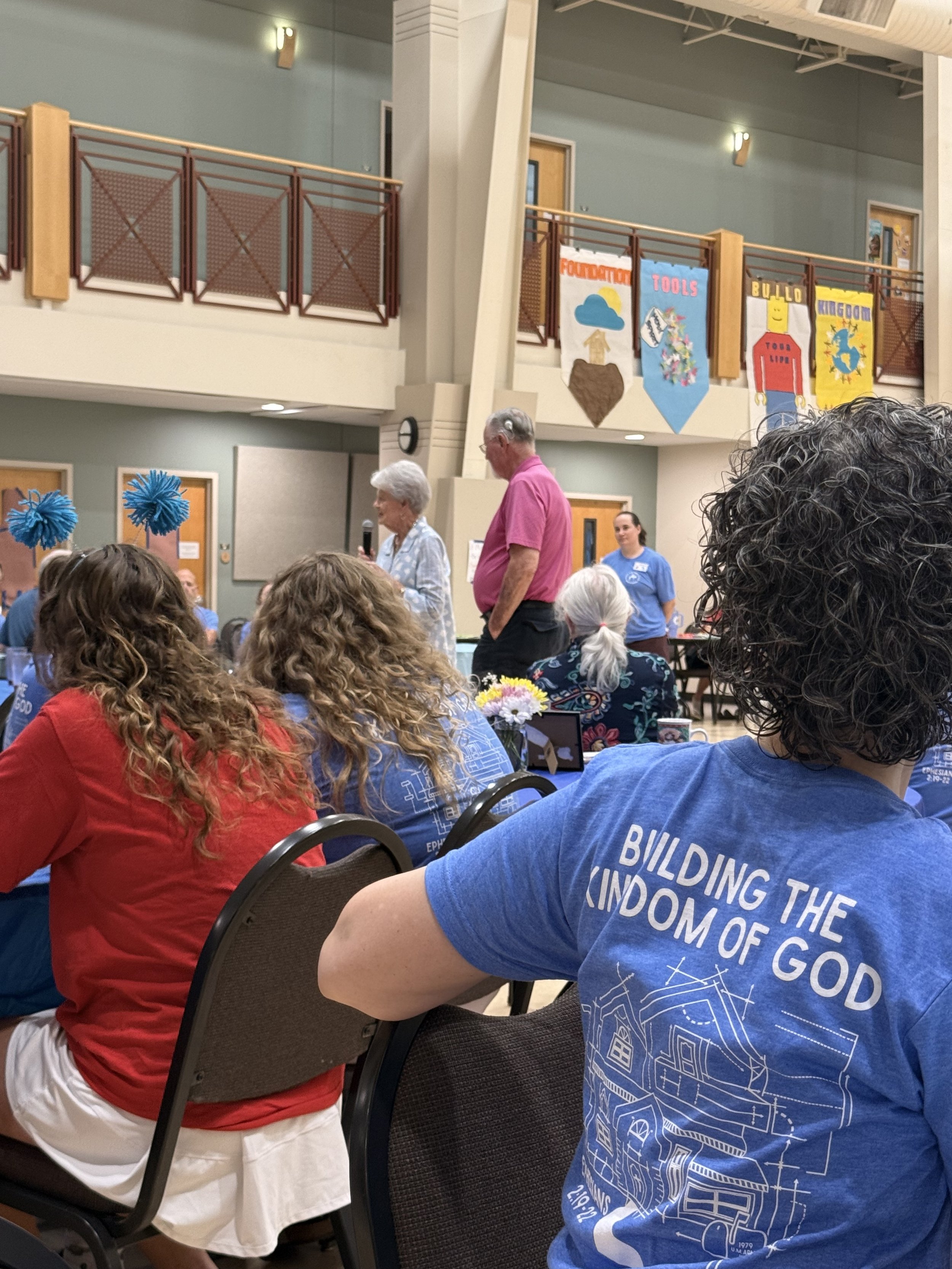
Everything began happening quickly.
Water was making its way into the church gym and sanctuary. A family arrived at the church looking for somewhere to go because they could not make it home. In the midst of it all, the U.M. Army team shifted into disaster response mode.
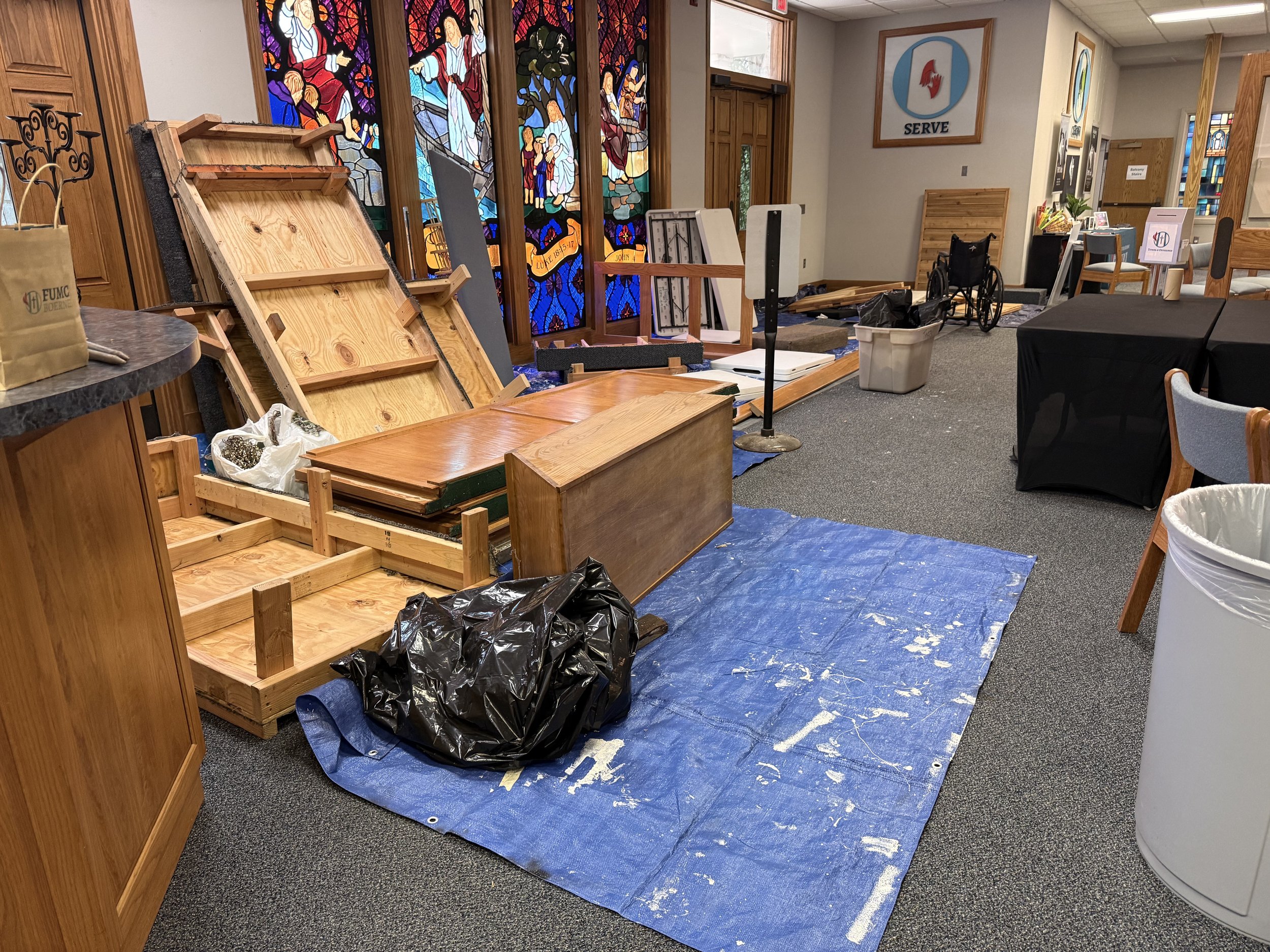
Volunteers mopped water from the gym as it came in and moved tables, chairs and many of their supplies to make room in case other families needed shelter. In the sanctuary, they used shop vacuums on the wet carpet, emptied closets of risers and other large equipment, and cleared out items damaged by the water.
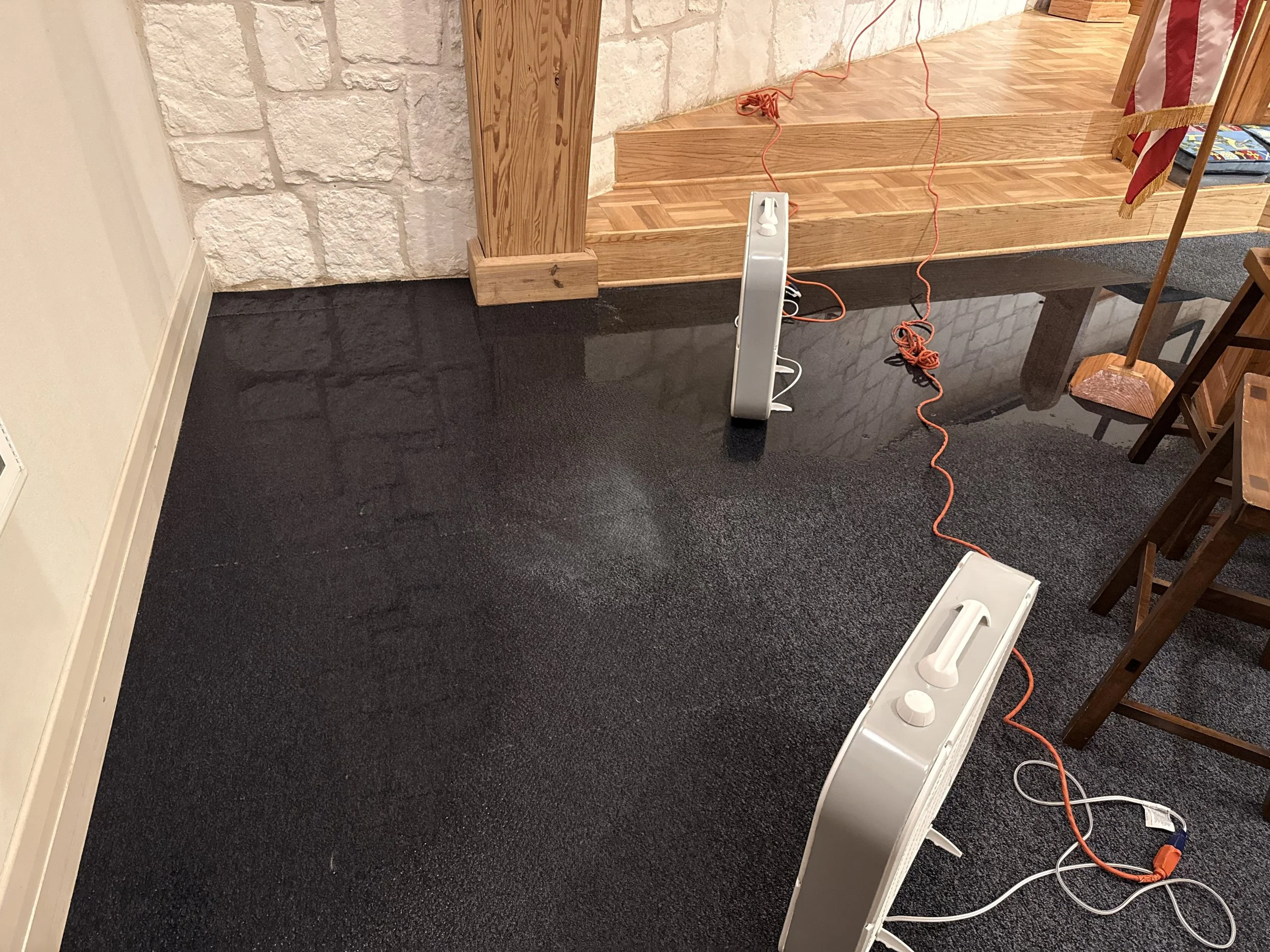
one corner of the sanctuary that was flooding
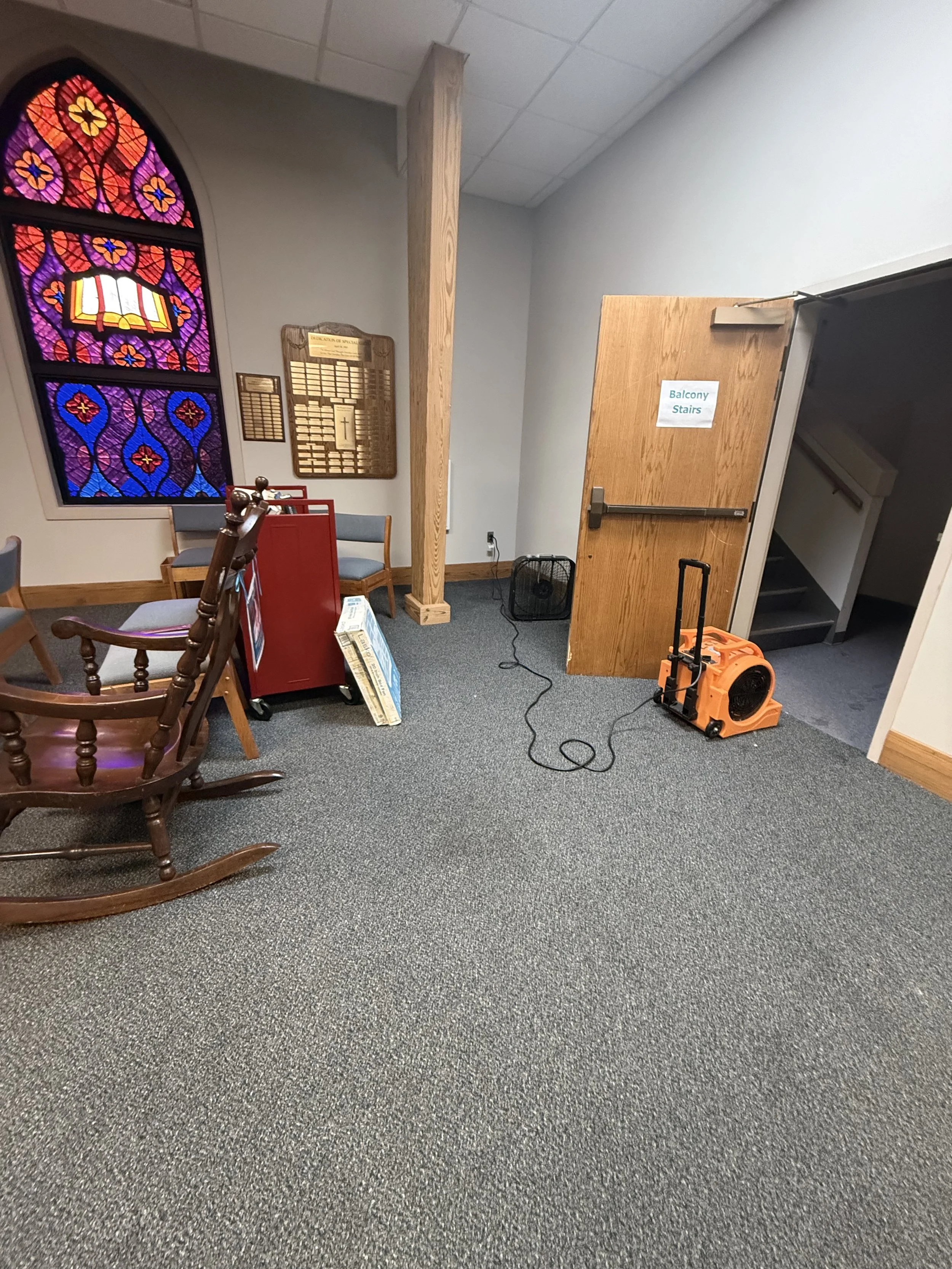
pictures of the narthex and closets that had to be emptied
“It was a whirlwind, but I cannot imagine how it would've gone without all those extra hands that were willing to share the load and help wherever needed,” Rachel said.
A Place to Rest in the Middle of the Storm
Among those who sought refuge at the church were a mother and her young son, who was about 3 years old. Unable to make it home, they needed a safe place to wait.
The U.M. Army volunteers welcomed them, offering food, drinks and whatever else they could provide. When the little boy became restless, volunteers played with him and found books and other things to keep him occupied.
Eventually, it became clear that he was tired and needed somewhere to rest.
Using blankets Rachel brought from the parsonage, the group cleared one of their sleeping spaces and created a small place where he could nap.
A couple of hours later, Rachel went to check on them and found the mother and son cuddled together on the floor, the little boy fast asleep. His mother was so grateful that he had a place to rest that even after the water had receded enough for them to likely make their way home, she stayed until he woke up.
“There was so little we could offer them, but everyone was willing to do anything we could to make them feel welcome and comfortable during a really scary time,” Rachel said.
That willingness to respond wherever needed continued after the immediate danger had passed.
On Thursday, although most of the flooding had subsided, many of the U.M. Army teams were still unable to return to their projects in the community. Instead, they turned their attention to what could be done on the First UMC Boerne campus.
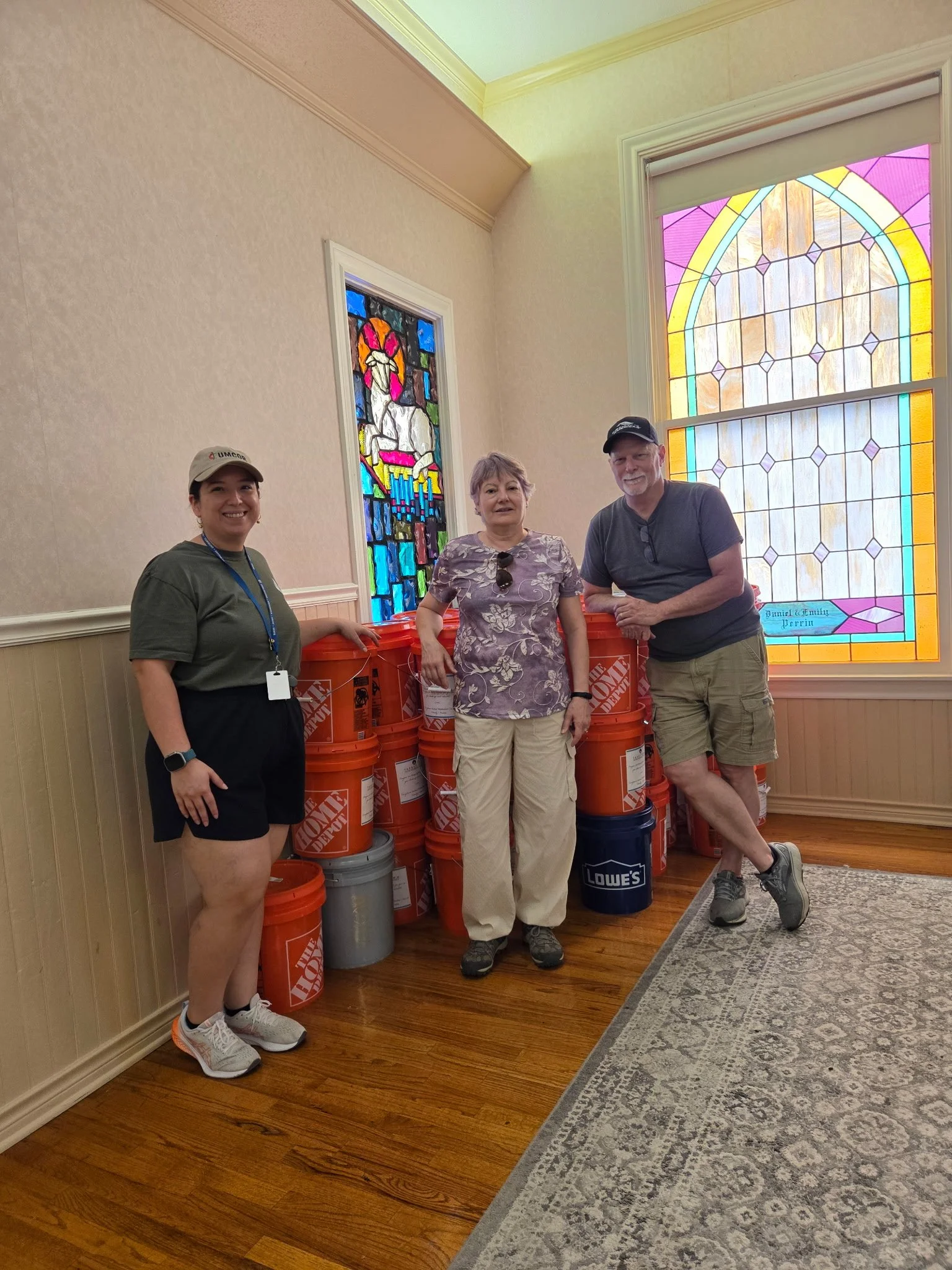
They built a prayer labyrinth in the rain, shoveling gravel to complete the project. They moved dirt to improve drainage throughout the campus, helped restore the sanctuary closets that had been emptied during the flooding, and helped receive, move and pick up flood buckets from neighboring churches.
For Rachel, their willingness to adapt became one of the most meaningful parts of the week.
“Their flexibility and willingness to pivot and do whatever needed to be done really was the most meaningful part of the week for me,” she said.
Even before the flooding, the team's work demonstrated that service can require more than physical labor. One group had been tasked with helping a family clean up their yard after the city notified the family that it needed to be cleared. Some of the items that needed to be removed still held meaning for the family, making the work an emotional process. Team members spent time talking with the family and reassuring them that they were there to help.
When the flooding came, the needs changed dramatically. So did the team's work.
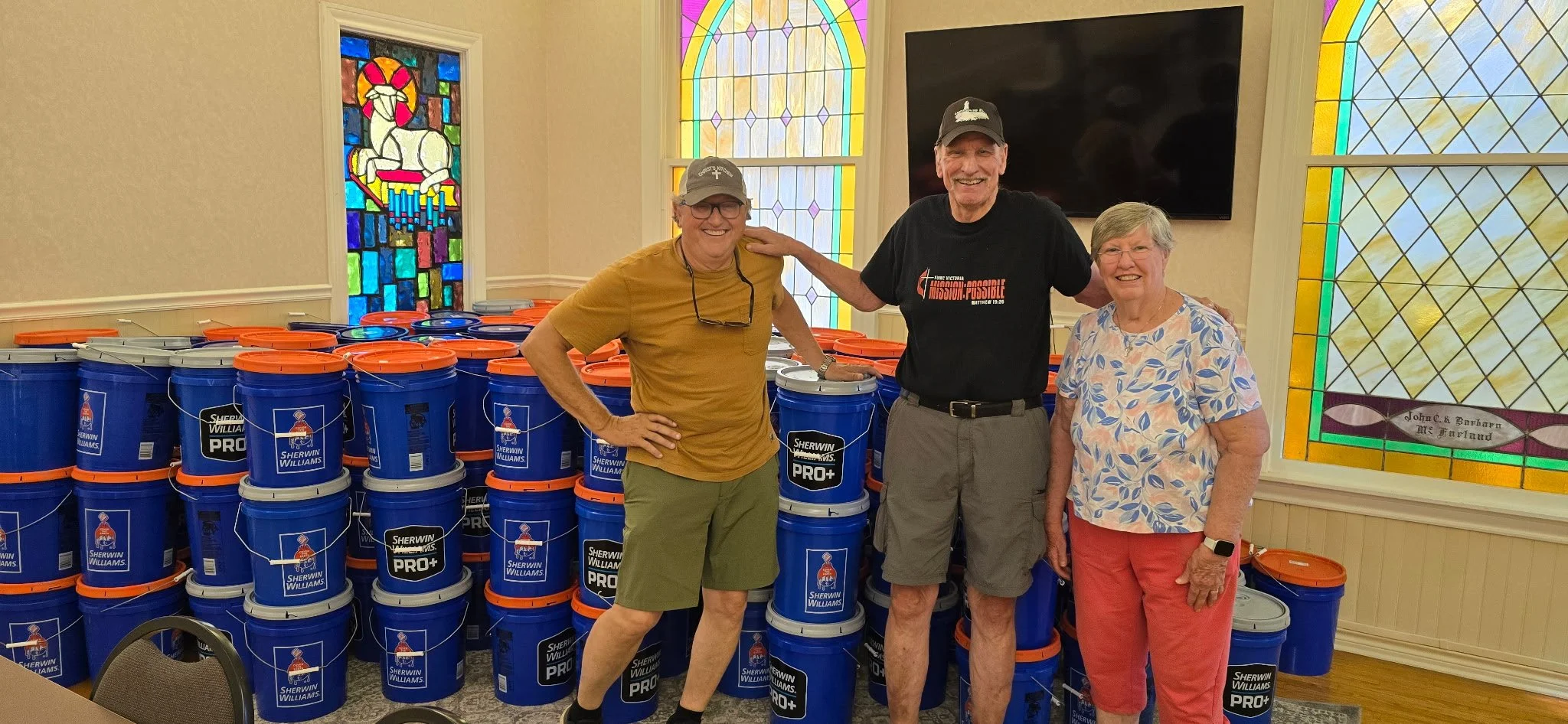
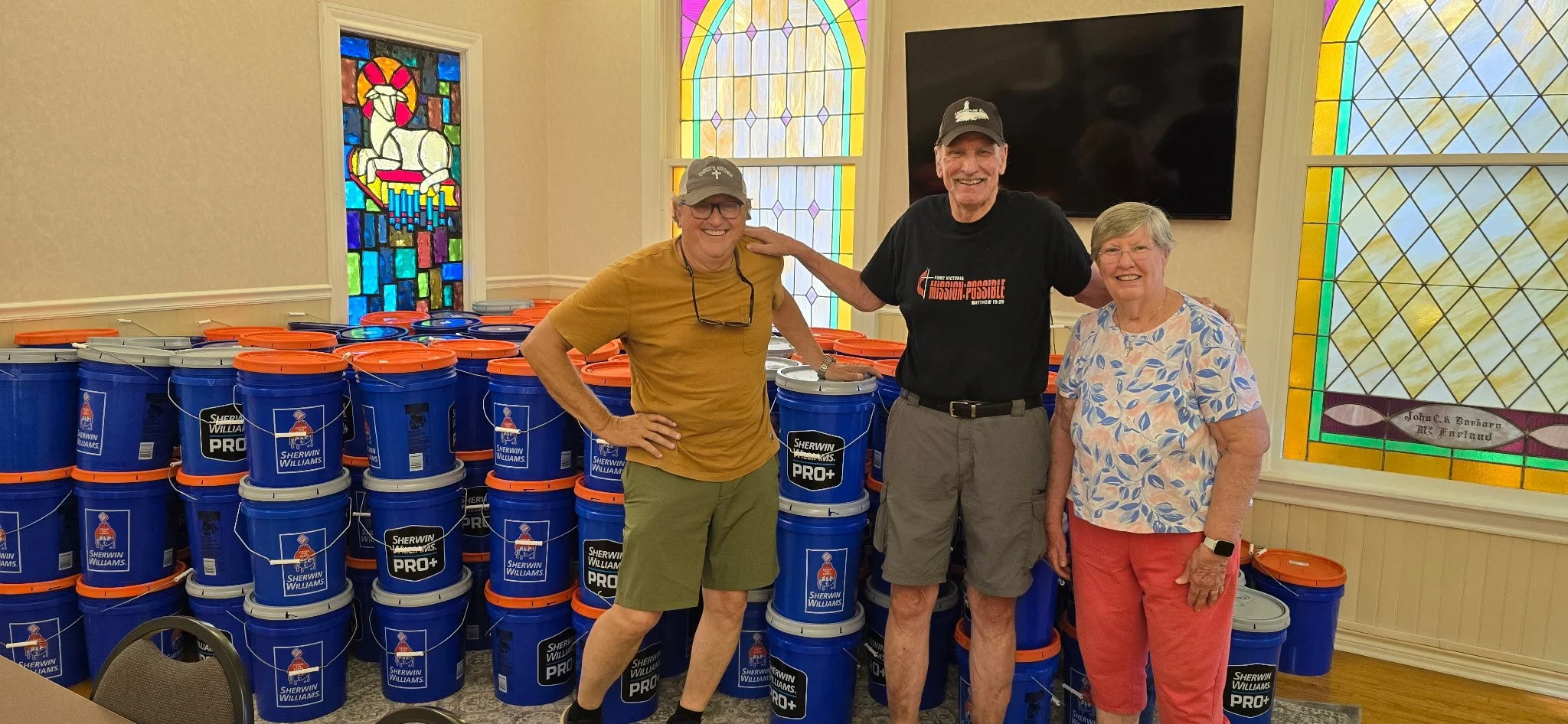
Flood buckets received from Tarrytown and Victoria.
The Connection in Action
The U.M. Army team was not alone in responding.
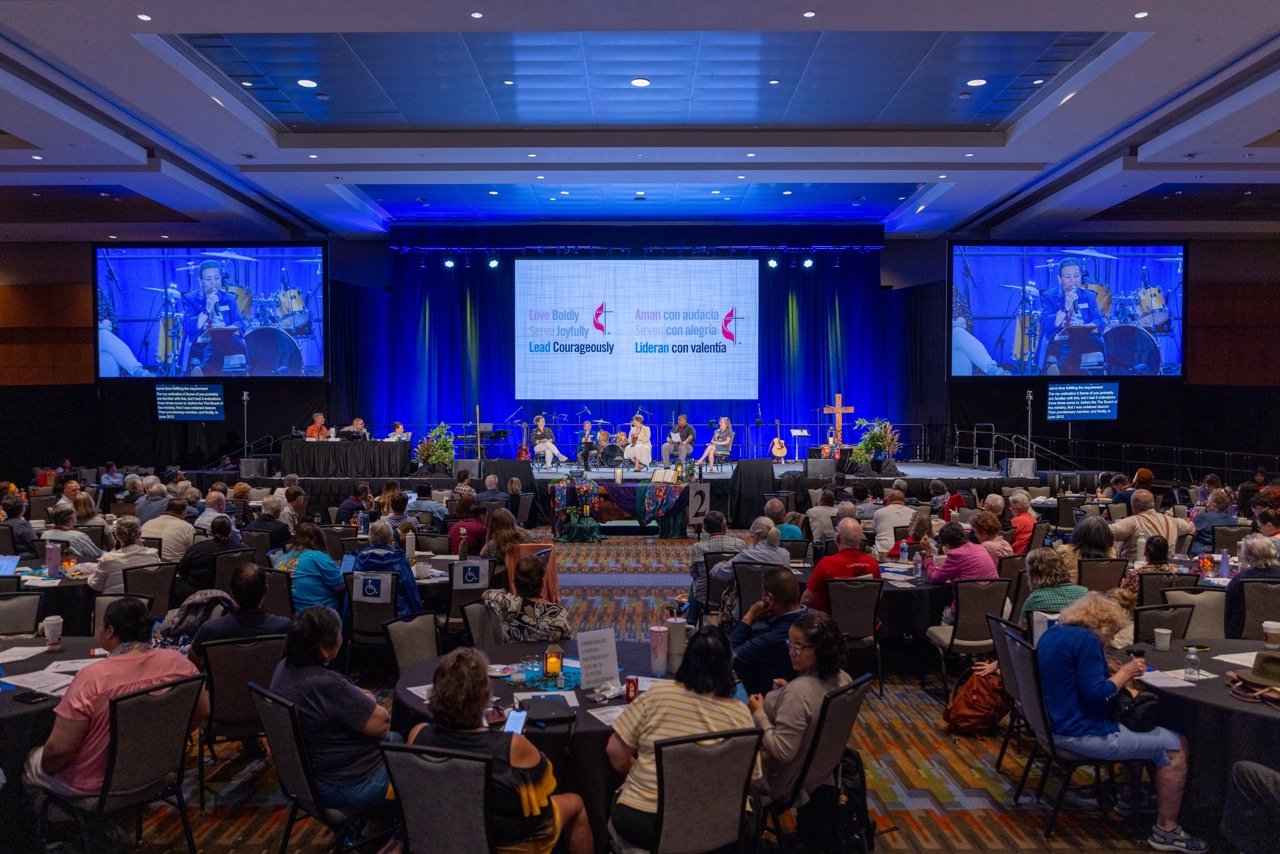
As news of the flooding spread, pastors and congregations from across the Rio Texas Conference began contacting First UMC Boerne with offers of help and donations. Some were hours away, but distance did not stop them from responding.
“Churches hours away were moving and working as soon as they knew there was a need,” Rachel said. “It was wonderful to see the connection in action and to feel the support of so many around the conference.”
That connection will remain important long after the floodwaters disappear.
Rachel emphasized that disaster recovery does not end when the immediate crisis does. Smaller communities can be particularly vulnerable to being overlooked as widespread disasters compete for attention and resources.
“When the need is so great, people inevitably fall through the cracks, especially in the many overlooked, smaller communities,” she said. “The work will take time and all of the areas who have been impacted by flooding in the last year will continue to need support and volunteers.”
For one week in Boerne, U.M. Army volunteers came prepared to build ramps, clean yards and serve their neighbors.
When the waters rose, the work changed.
They changed with it.