
Pathways for Ministry:
Discerning and Responding to God’s Call
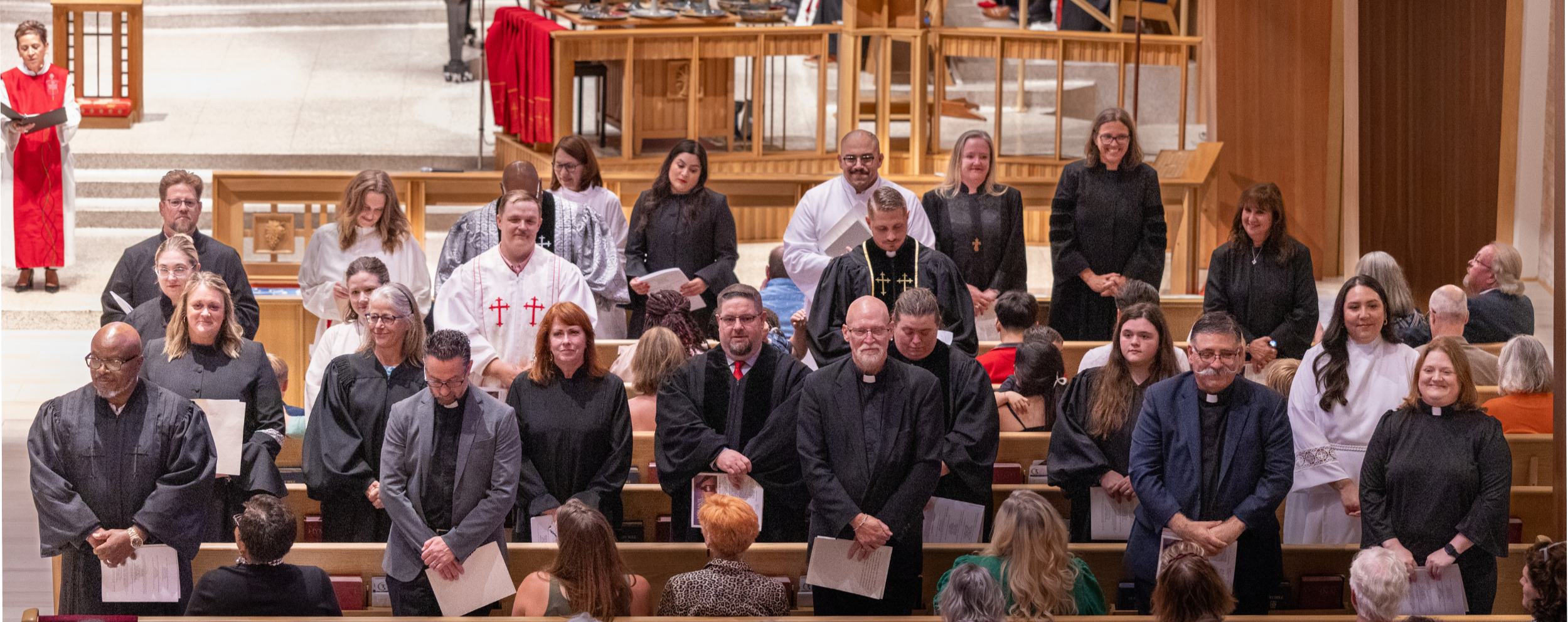
A call to ministry often begins with questions, a nudge toward deeper service, leadership, or witness in the church. Discerning a call is not about having all the answers. It is about listening for how God may be shaping your life for the sake of the gospel.
You may sense God inviting you to serve in new ways, even if the path ahead is not yet clear. Exploring these paths may help you understand how your calling, gifts, and passions align with the needs of the Rio Texas Conference, the United Methodist Church, and the world.
Do you have questions or need help finding a specific resource?
Would you like to share helpful resources or stories about your journey?
Please click here to reach out. Discernment happens in community.
Lay Servants
Lay servants are active members of a local church that are called by God to be leaders and teachers within their congregation. They support pastors and the church as a whole by guiding prayer and Bible study groups, helping lead worship services, providing congregational care, and advocating for positive transformation within the communities they serve.
Lay servants receive specialized training to develop skills and utilize their spiritual gifts.
There are several paths those called to lay servitude may pursue:
-
A certified lay servant is called to serve as a leader within their church by supporting church programming, teaching the faith, and providing congregational care.
-
A certified lay speaker is called to serve through leadership in worship, allowing them to preach the Word when requested by a pastor or district superintendent.
-
A certified lay minister is called and equipped to lead public worship, provide congregational care, and assist in program leadership alongside clergy in churches or as the leader of smaller congregations.
-
Deaconesses and home missioners are called, consecrated, and commissioned to a lifetime vocation of Christlike service directed towards the world, specifically to alleviate suffering and eradicate the causes of injustice.
Licensed Local Pastor (LLP)
Important Update Regarding Revised Course of Study for Licensed Local Pastors
Licensed local pastors are clergy that are appointed to specific pastoral charges, circuits, or cooperative parishes. They are called to model the servanthood of Jesus Christ as they nurture faithful disciples within their congregations and are authorized to perform all the duties of a pastor, including preaching the Word and independently administering the sacraments of baptism and communion.
Licensed local pastor candidates must complete licensing school and the Course of Study.
Ordained Ministry
Ordination is a lifetime commitment to set-apart ministry in the church. Those ordained as Deacons and Elders commit to living, teaching, and proclaiming the Gospel by serving as clergy leaders within faith communities, administering the sacraments, and facilitating or overseeing the work of the church.